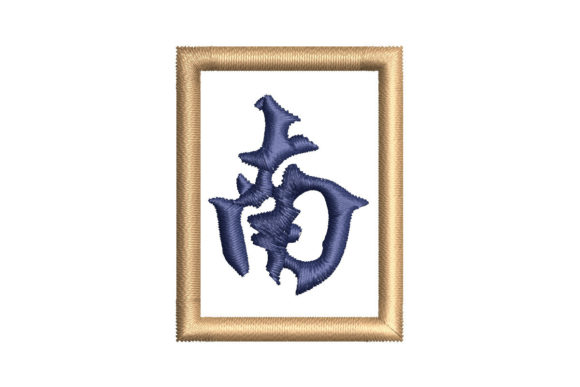
Mahjong Green Tile
As a designer and embroidery product reviewer, I often find myself evaluating machine embroidery designs with a critical eye—especially when they’re intended for real-world use. Mahjong Green Tile is one such design that caught my attention not just for its theme, but for how it could translate into practical projects. Let’s break down what this design offers and where it truly shines.
First Impressions: A Bold, Cultural Touch
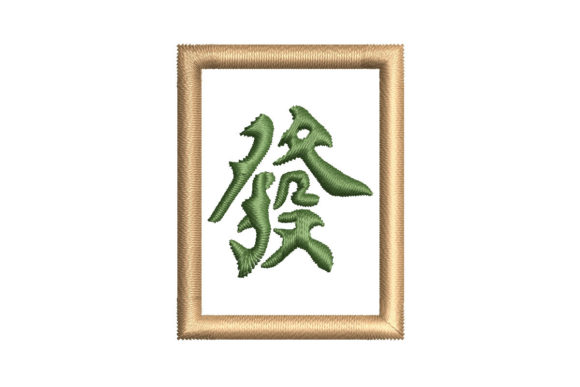
The Mahjong Green Tile design immediately evokes a sense of tradition and playfulness. The green color palette is calming yet vibrant, making it ideal for items that need a touch of personality without being overwhelming. The tile itself is clean and well-proportioned, with clear lines and a minimalist layout that avoids clutter. It doesn’t feel overly complex, which is a plus for those who want to focus on the overall look of their finished product rather than intricate details.
This design would fit naturally into custom apparel, especially for casual wear or cultural-themed items. It also has potential in baby items, where simplicity and visual clarity are key. The lack of a filled background means it can be more versatile, allowing for better visibility on different fabric types and colors.
Real-World Use Cases: Where It Works Best
When considering real-life embroidery situations, Mahjong Green Tile excels in projects that require a subtle yet recognizable motif. For example, an embroidered tote bag design featuring this tile could serve as a unique statement piece for a craft fair booth or an Etsy shop. It also works well as an embroidered patch for jackets, bags, or even aprons—where the design can be easily applied without overwhelming the garment.
On sweatshirts or t-shirts, the design holds up well, especially when placed on a flat surface. It’s not too dense, so it won’t add unnecessary bulk. However, if you’re planning to use it on a cap or a hat, keep in mind that curved surfaces can affect how the design sits. Testing it on a mockup first is always a good idea.
For baby items like onesies or blankets, the design is safe and appropriate. Its simplicity ensures it won’t look too busy, and the green tone is gentle on the eyes. As a personalized gift, it adds a thoughtful touch that can be tailored to the recipient’s interests.
Where to Be Cautious: Design Limitations
While Mahjong Green Tile is visually appealing, there are a few areas where caution is needed. If you’re working with small hoop sizes, this design might not be the best choice. It requires enough space to maintain the integrity of the lines and borders. Similarly, on textured or stretchy fabrics, the design may not sit as smoothly as it would on a flat, stable material.
Thin or dark fabrics can also pose challenges. The design’s open background means it might not show up clearly on darker materials unless the thread color contrasts well. For commercial embroidery projects, ensure that the stitch density is appropriate for the fabric type to avoid puckering or distortion.
If you're using this as an applique design or incorporating it into layered garments, pay close attention to how the elements interact. The design’s structure makes it suitable for layered work, but the lack of a filled background could lead to gaps if not properly stabilized.
Visual Appeal and Practical Value
Mahjong Green Tile has a strong visual appeal that can elevate a handmade product or a custom apparel item. Its clean lines and cultural theme make it instantly recognizable, which is great for branding or marketing purposes. When used effectively, it adds value by making the finished product stand out from generic options.
From a customer perspective, this design can build trust in your brand. It shows that you’ve chosen high-quality, well-designed assets that reflect care and attention to detail. For Etsy sellers or small shop owners, this kind of design can be a valuable addition to your digital product library, offering versatility and appeal across multiple product types.
As a printable mockup or digital embroidery file, it’s easy to integrate into your workflow. Whether you’re creating a new line of boutique products or preparing for a craft fair, this design can be a reliable asset that supports your creative goals.
Designer Notes: Tips for Successful Use
Before committing to any embroidery project, always test the design on scrap fabric. This helps identify any issues with stitch density, thread color contrast, or stabilizer needs. Mahjong Green Tile is relatively simple, but even small details matter when it comes to the final look.
Check the design in black and white mockups to see how it translates without color. This is especially important if you plan to use it on dark or light fabrics. Also, confirm that the hoop size required for the design matches your machine’s capabilities.
If you’re using this for commercial projects, verify the licensing terms to ensure you’re allowed to sell finished items or digital products. And don’t forget to use the right stabilizer for the fabric you’re working with—this can make a big difference in how the design looks and feels.
Final Thoughts: A Versatile Embroidery Asset
Mahjong Green Tile is a solid choice for designers looking to add a cultural, playful element to their work. It’s versatile enough to fit into various projects, from custom apparel to personalized gifts. With careful consideration of fabric type, hoop size, and stitching technique, it can become a standout feature in your portfolio.
Whether you’re an experienced embroiderer or just starting out, this design offers a balance of style and functionality that can enhance your craft business or handmade creations. Just remember to test it thoroughly and use it where it will have the most impact.